
Discover the Poles without leaving Valencia
You only know the tip of the iceberg. Discover the poles in depth.
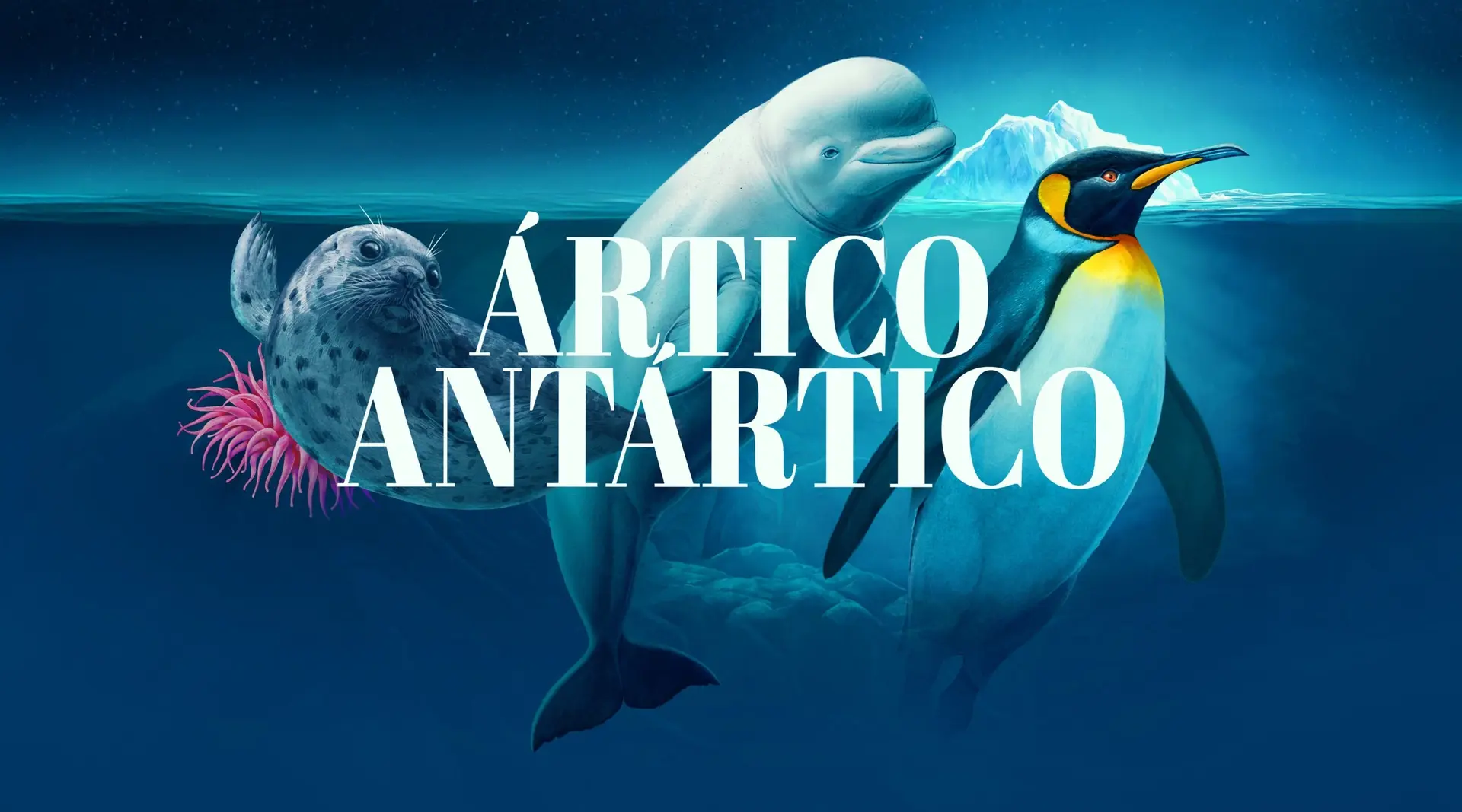
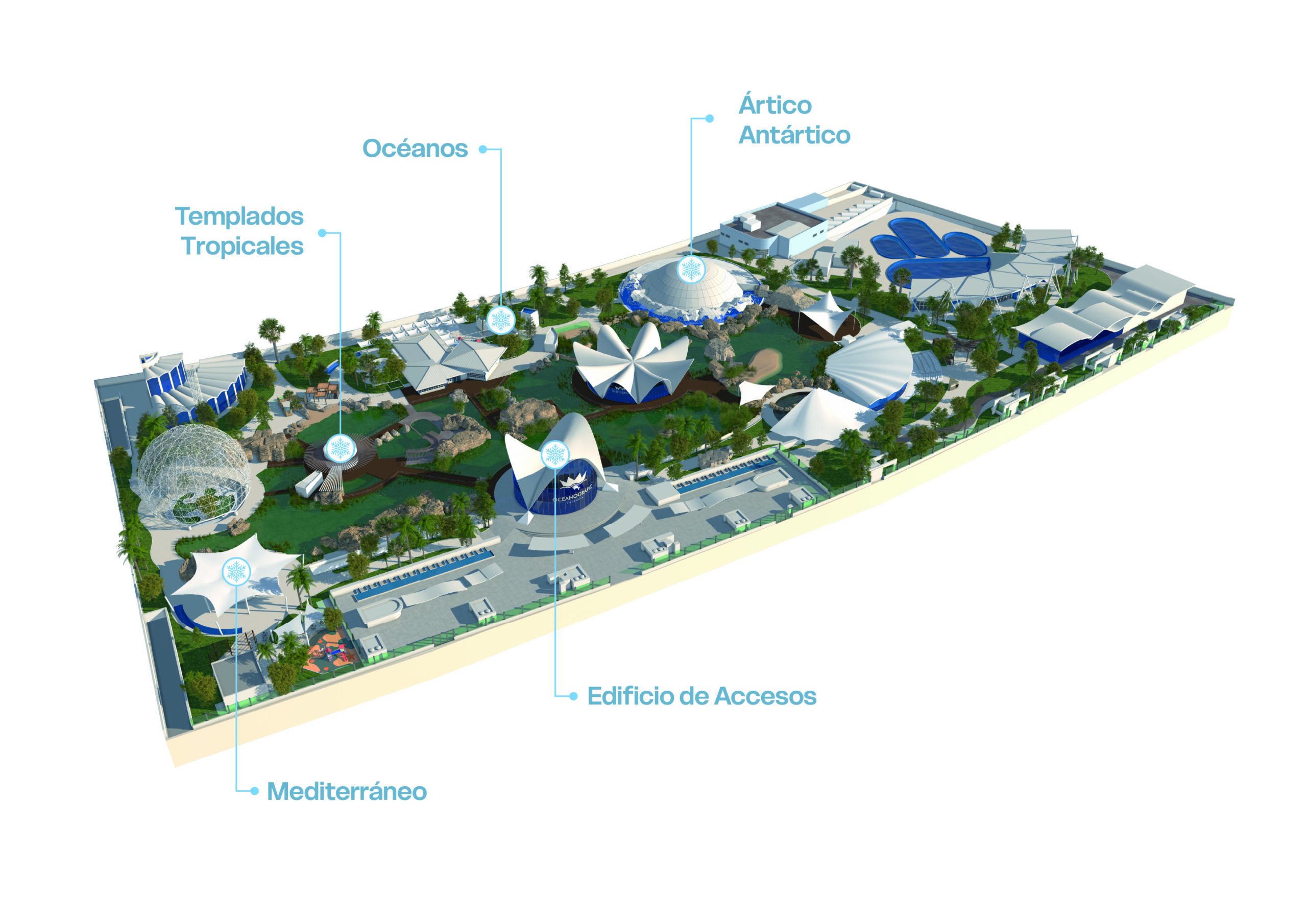
This year explore the Oceanogràfic from pole to pole. The Arctic and Antarctica are waiting to show you the importance of these unique ecosystems. Be amazed by the variety of species they harbor, discover the threats they face, and how our actions directly influence their future.
Because protecting the poles is protecting the Earth. Explore, awaken your curiosity, and be amazed.
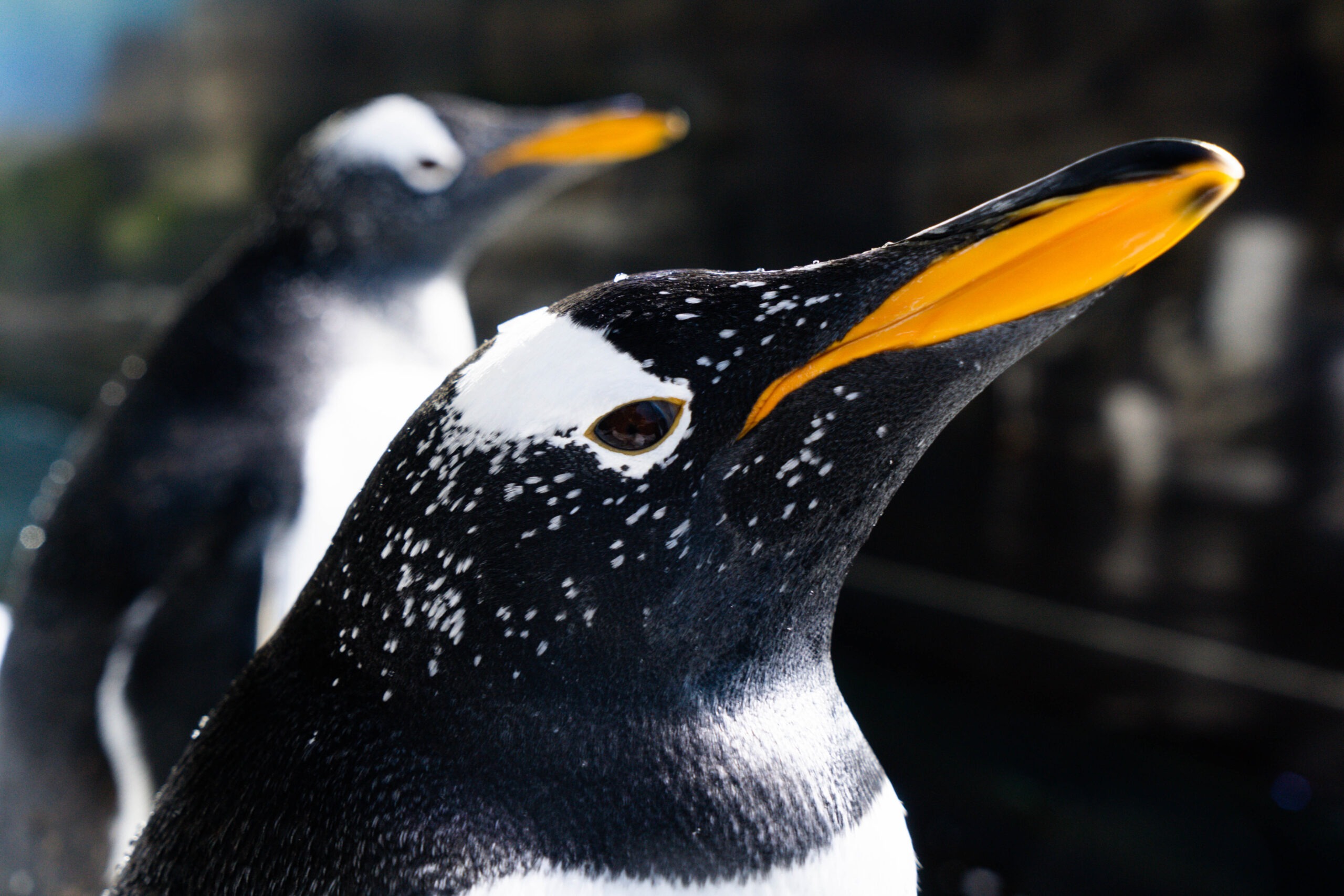
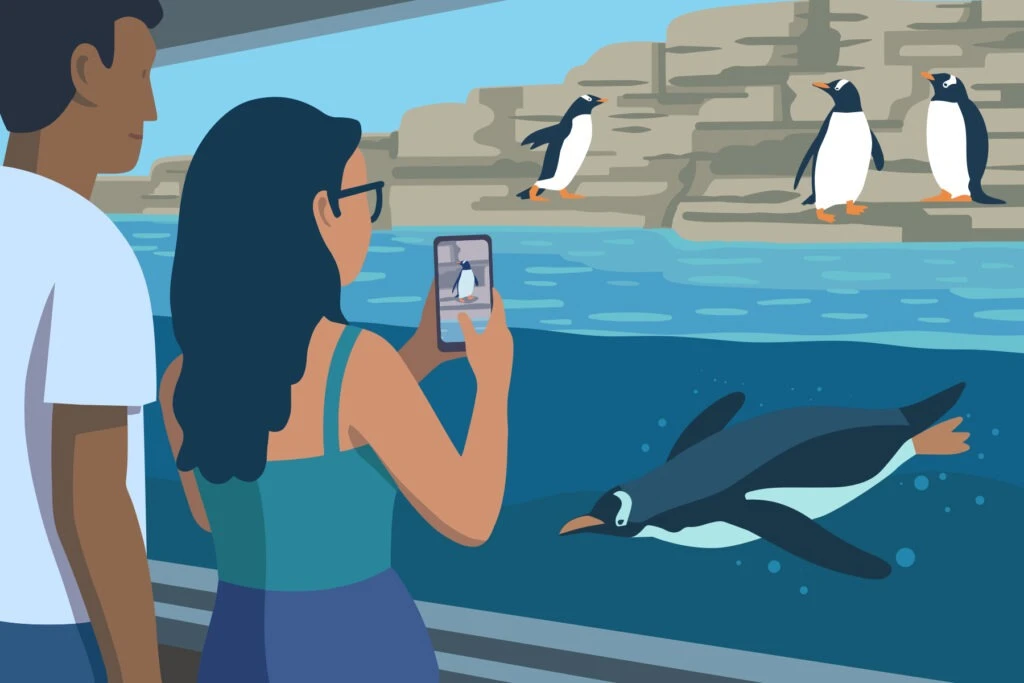
Discover what penguins are like. Gentoo Penguin
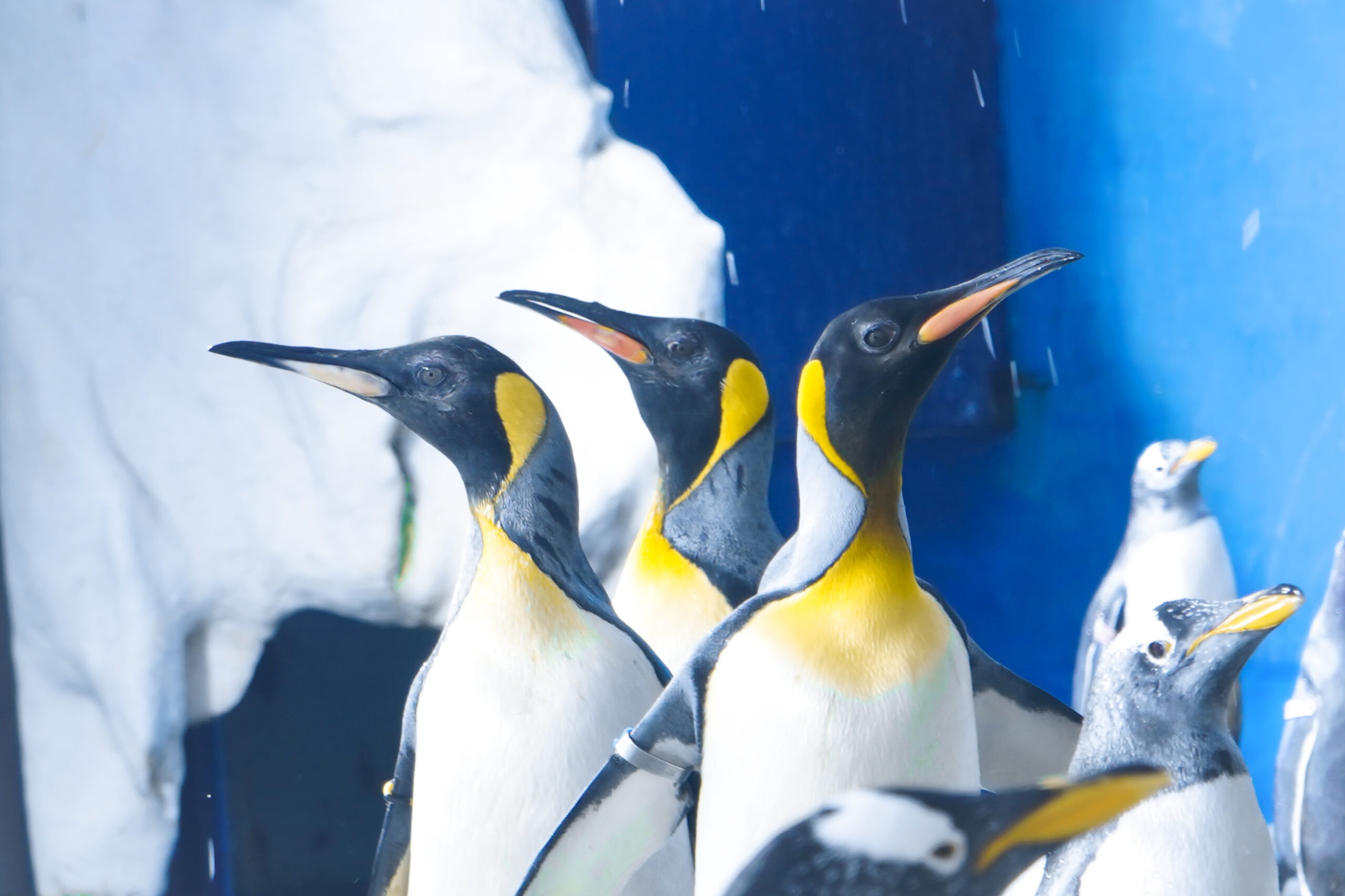
King Penguin
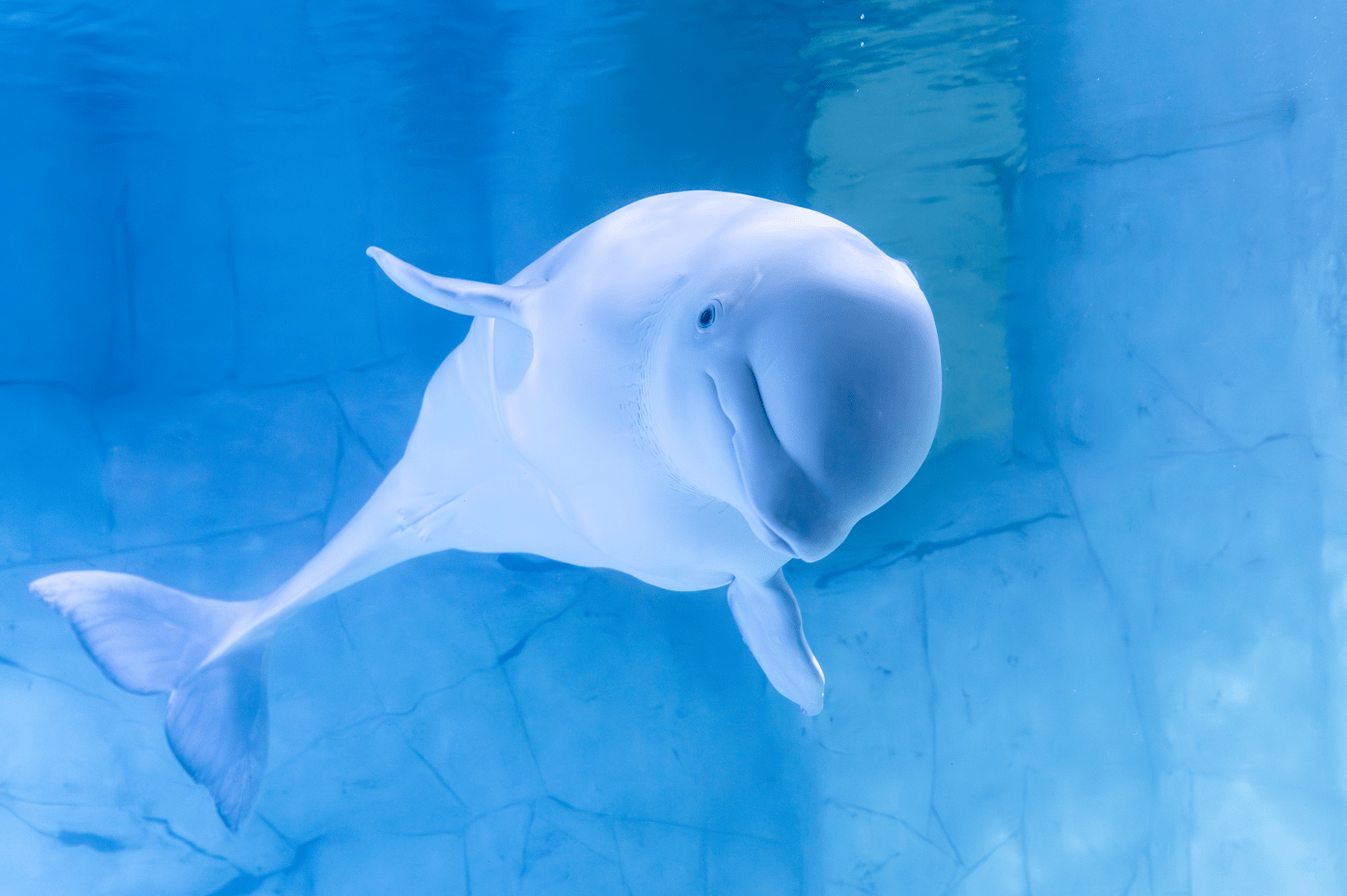
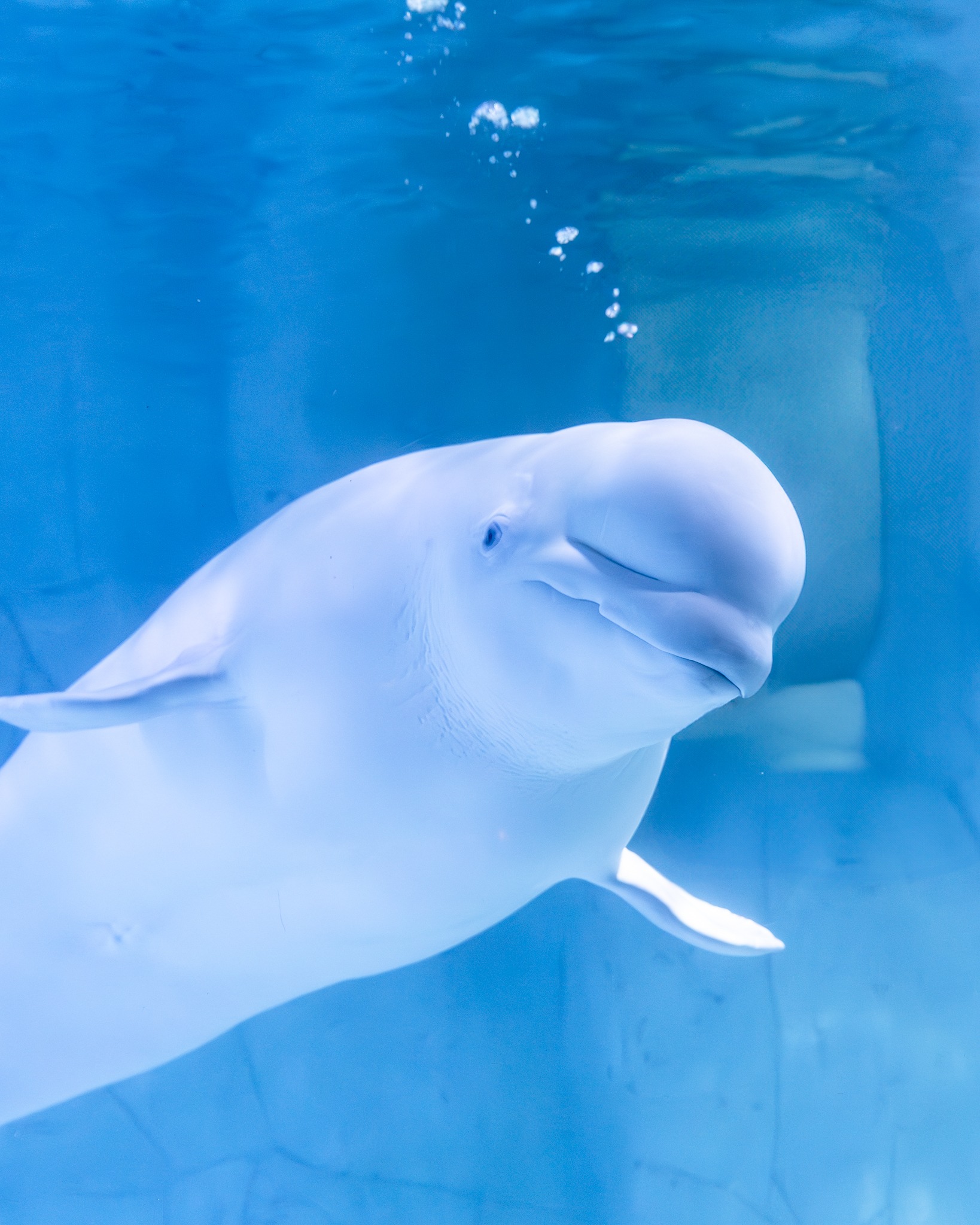
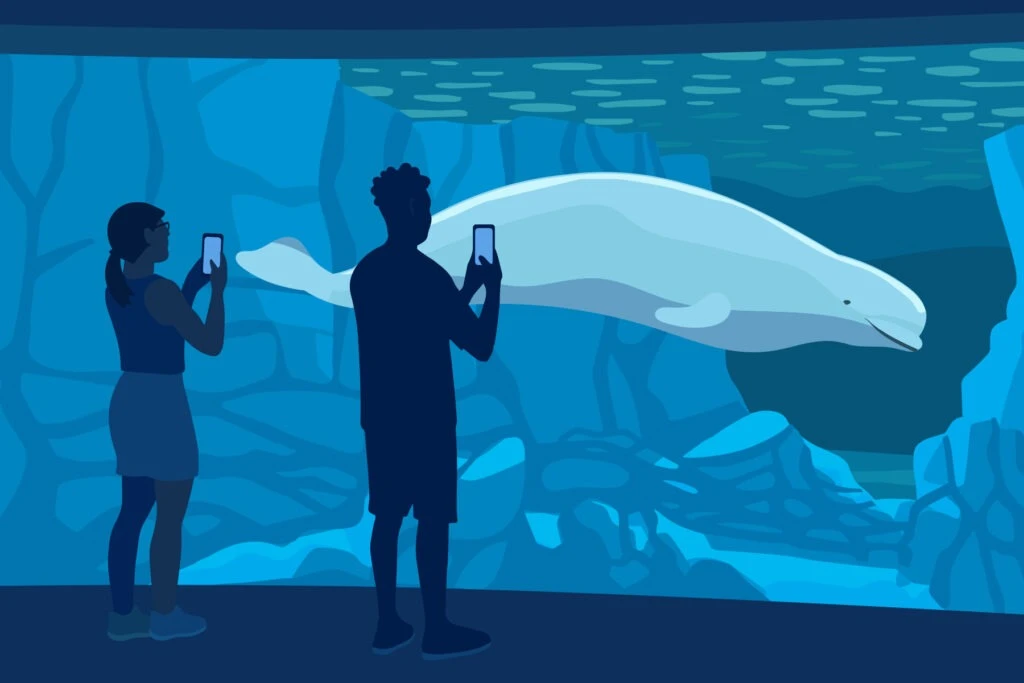
Discover belugas and their sounds
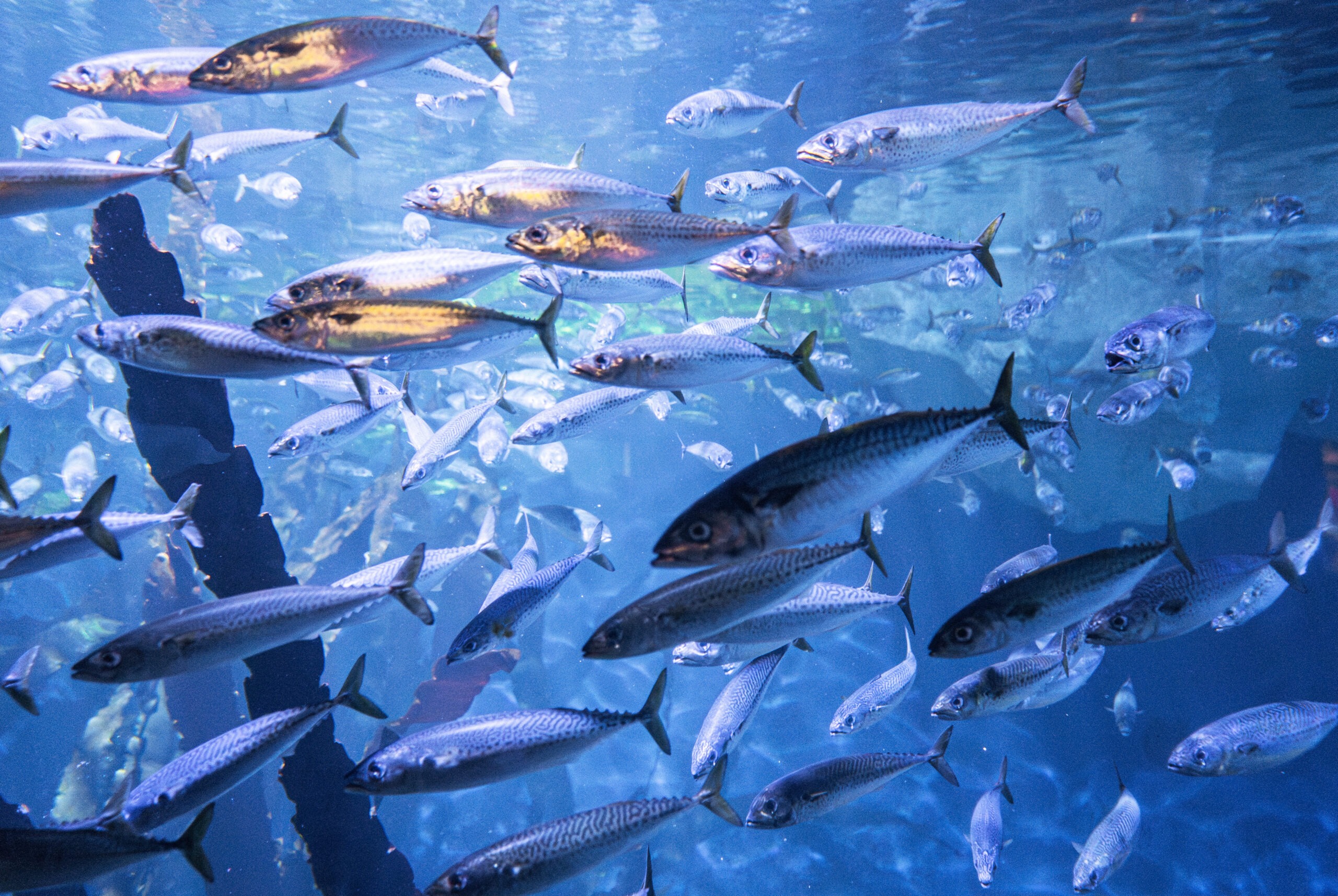
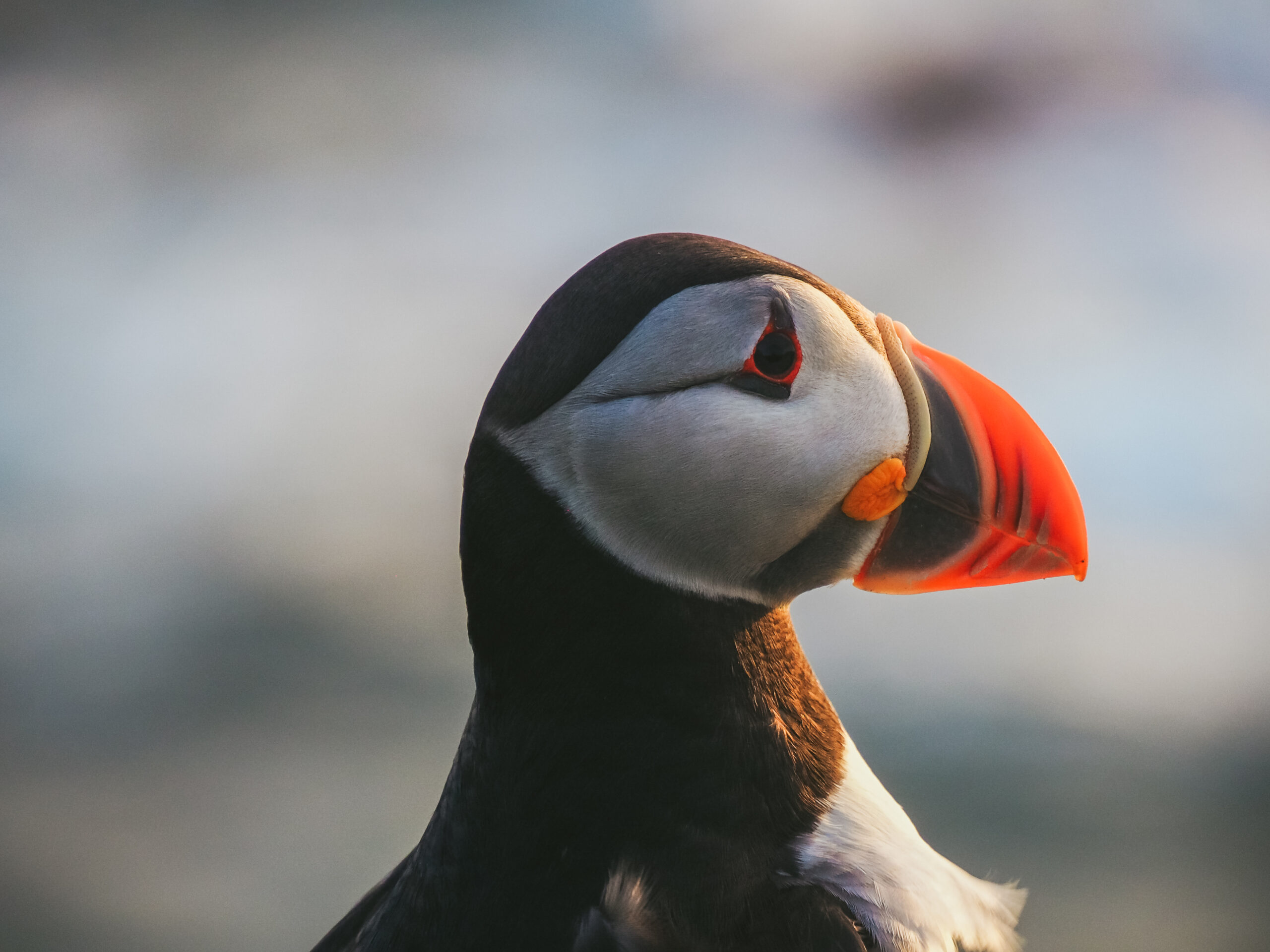
Northern Seas
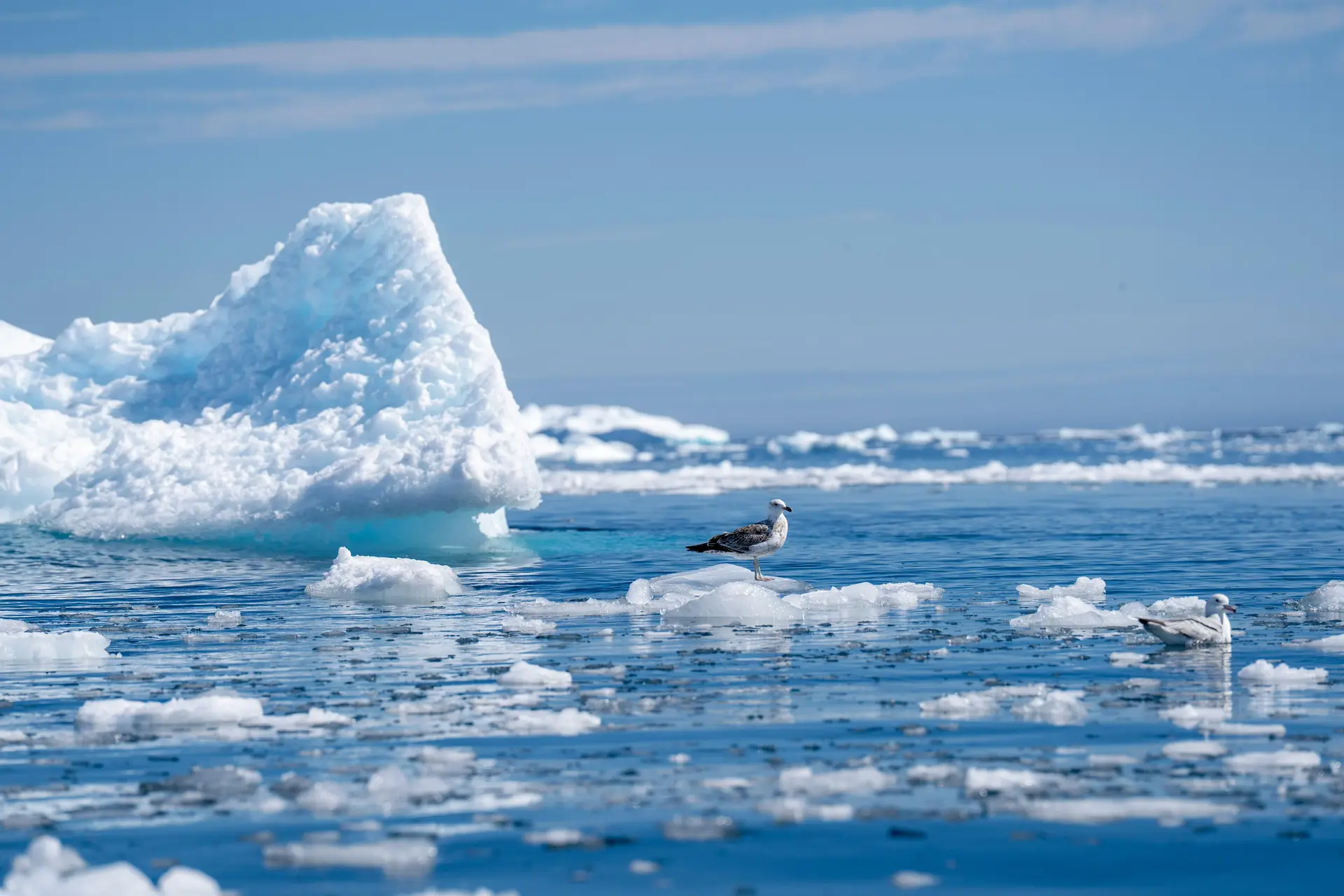
Antarctica and its secrets
Polar passport
Only those who know the poles can explore them. Show what you know and get your Polar Passport.
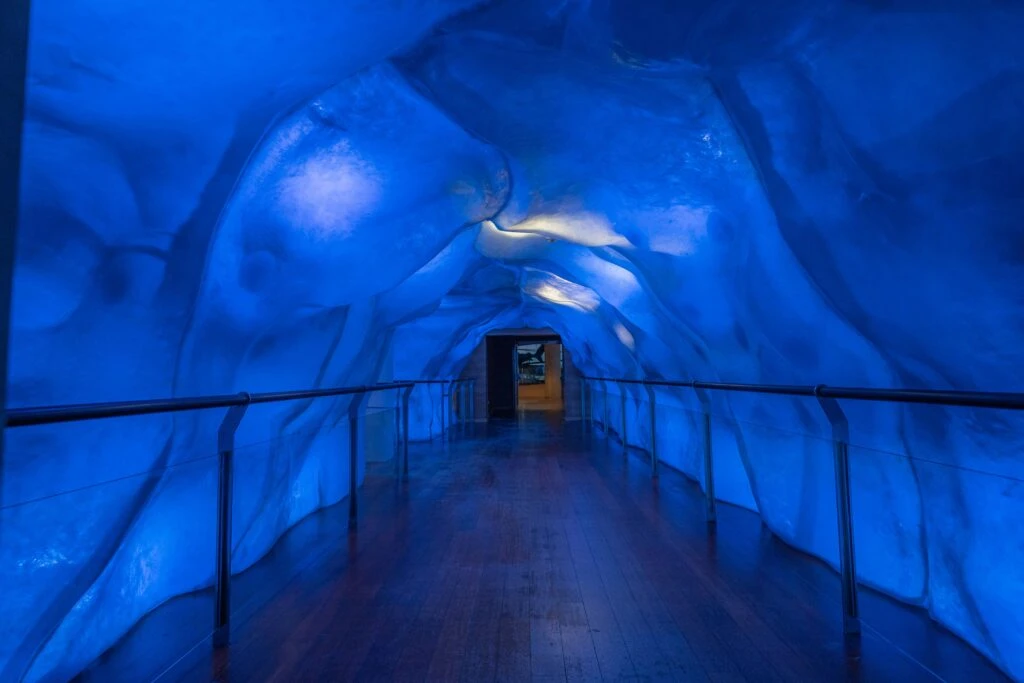
Tunnel: Differences between Arctic and Antarctic
Do you think the poles are the same? Cross the tunnel and find out.
Biodiversity game
Arctic (North Pole) and Antarctic (South Pole)
Dare to connect each species with its home.
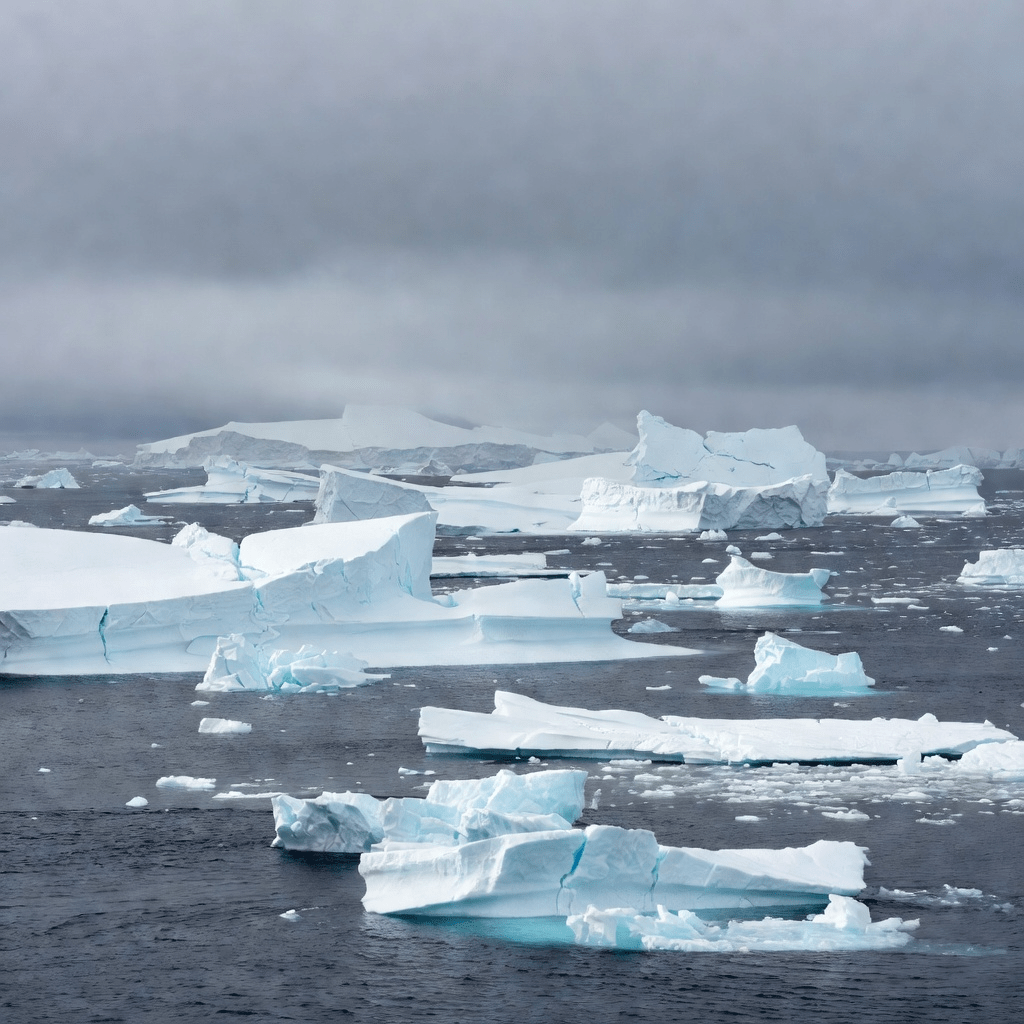
The poles act as thermal regulators of the planet. They cool air and water masses, and stabilize global climate patterns. The poles influence the dynamics of global winds, such as the jet stream. Changes in polar temperature can alter these patterns, causing extreme phenomena such as heat waves, storms, or droughts in mid-latitudes.
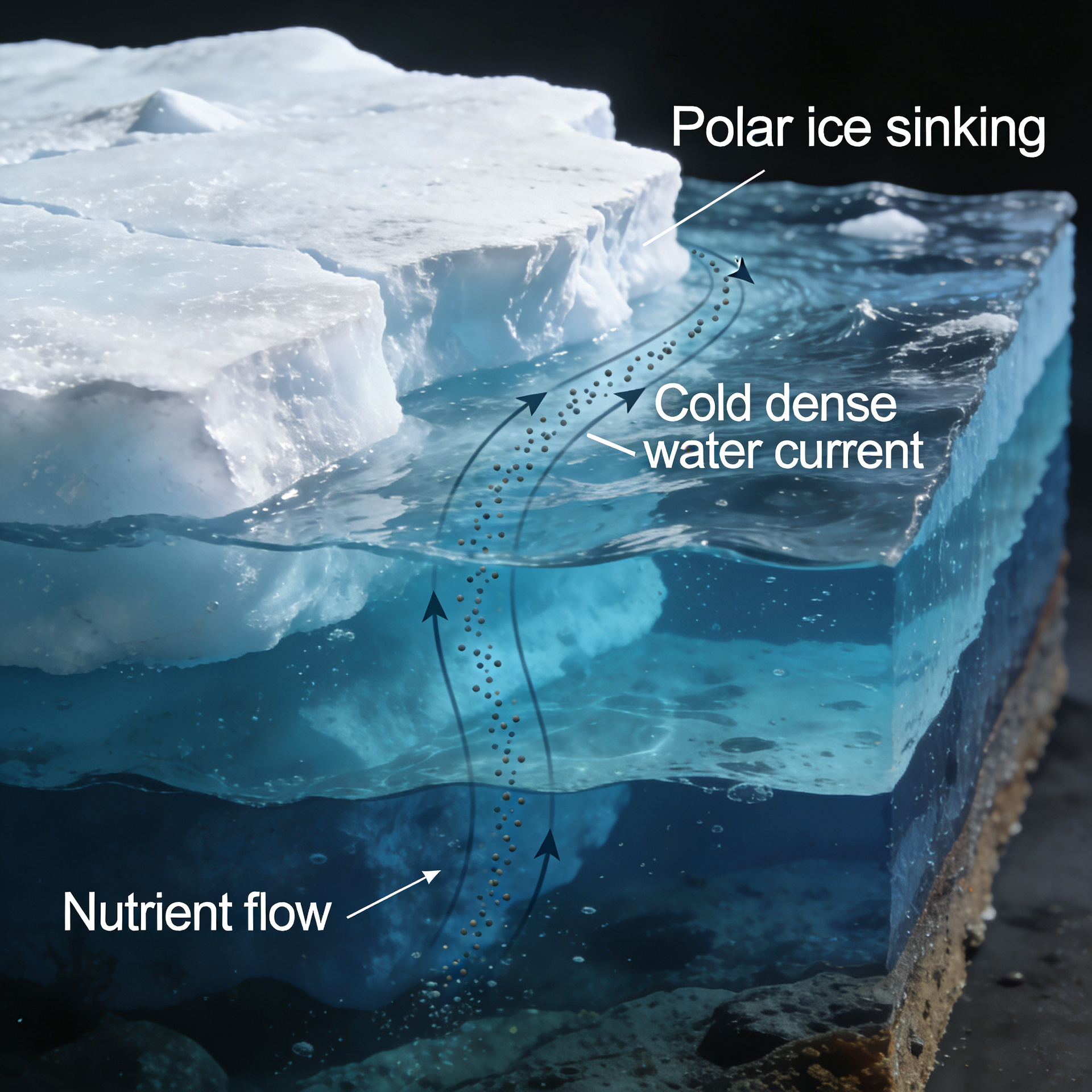
The poles play a key role in thermohaline circulation, also known as the “ocean conveyor belt.” In the North Atlantic, for example, cold, salty water sinks and generates deep currents that redistribute heat and nutrients throughout the planet. This process connects the poles with tropical and temperate ecosystems, affecting global climate and marine life.
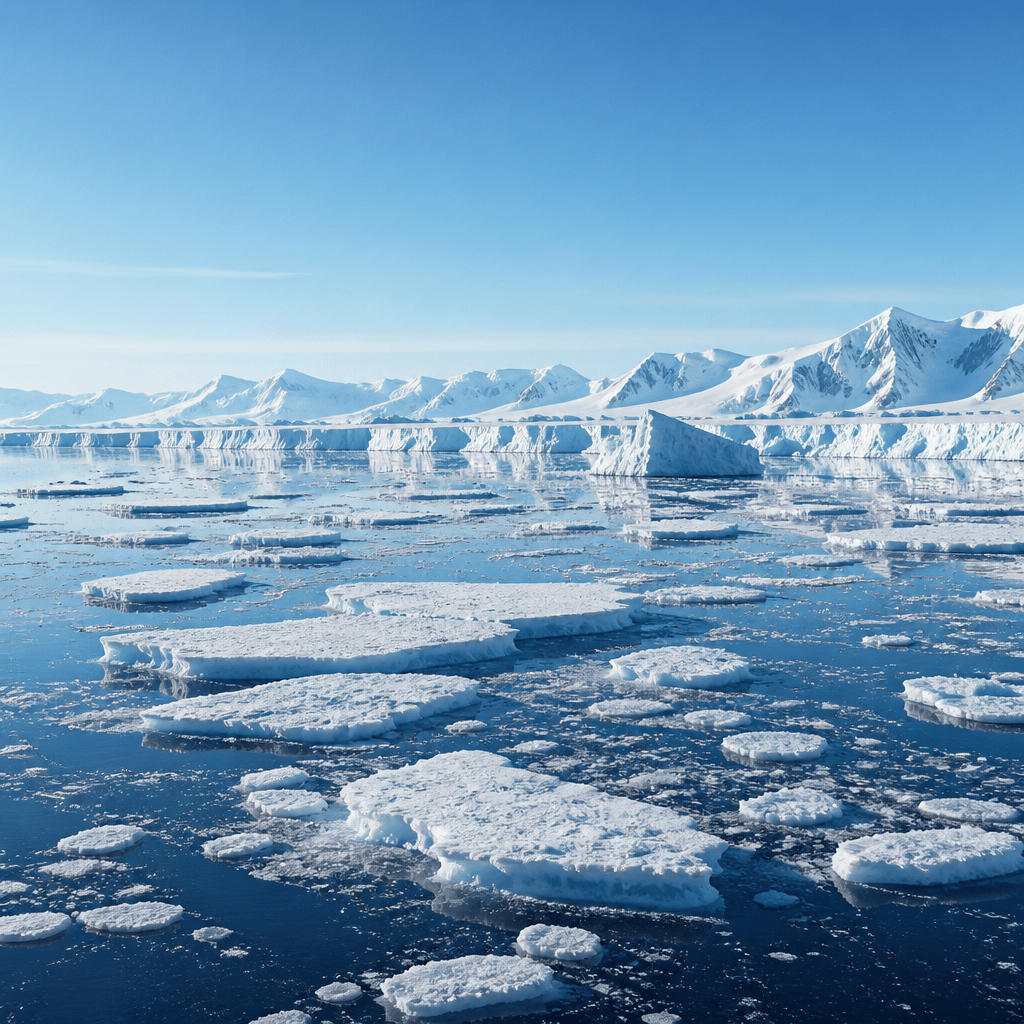
They record the climate history of the planet.
The poles, especially Antarctica, contain ice layers that act as natural archives. Through ice cores, scientists can study the atmospheric composition from hundreds of thousands of years ago, including CO₂ levels, temperatures, and volcanic events.
This reinforces the idea that the poles are not only important for their current function, but also for what they teach us about the past and future of the planet.
Antarctica contains approximately 70% of the planet’s freshwater, stored as ice. The Arctic also contributes, although to a lesser extent.
Accelerated melting due to global warming represents a direct threat to the world’s water balance.This point connects with species conservation, one of the traditional pillars of the Oceanogràfic.
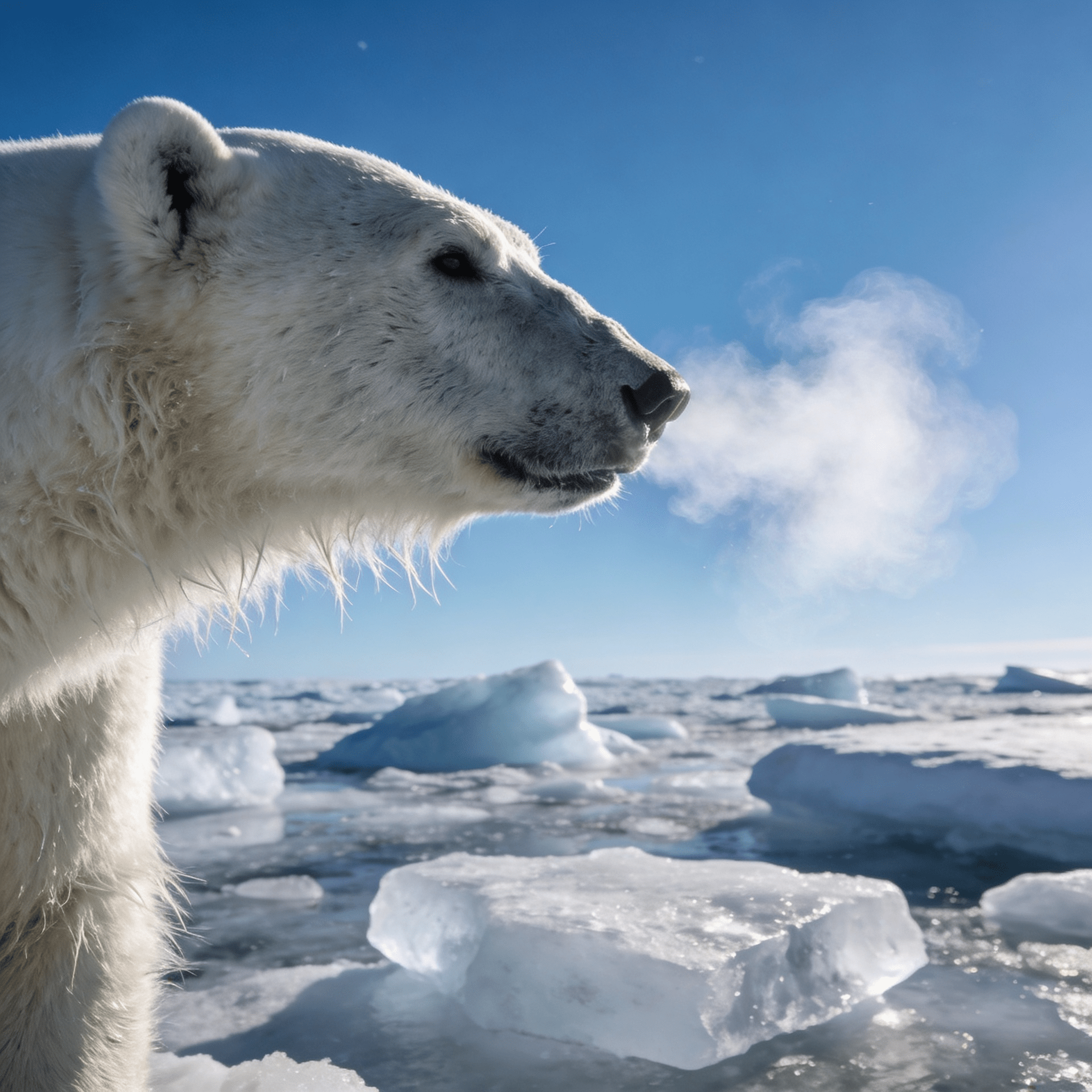
Although the poles seem inhospitable, they harbor unique biodiversity adapted to extreme conditions. From microorganisms to large mammals such as whales, seals, polar bears, and penguins, these ecosystems are fragile and valuable.
This point connects with species conservation, one of the traditional pillars of the Oceanogràfic.
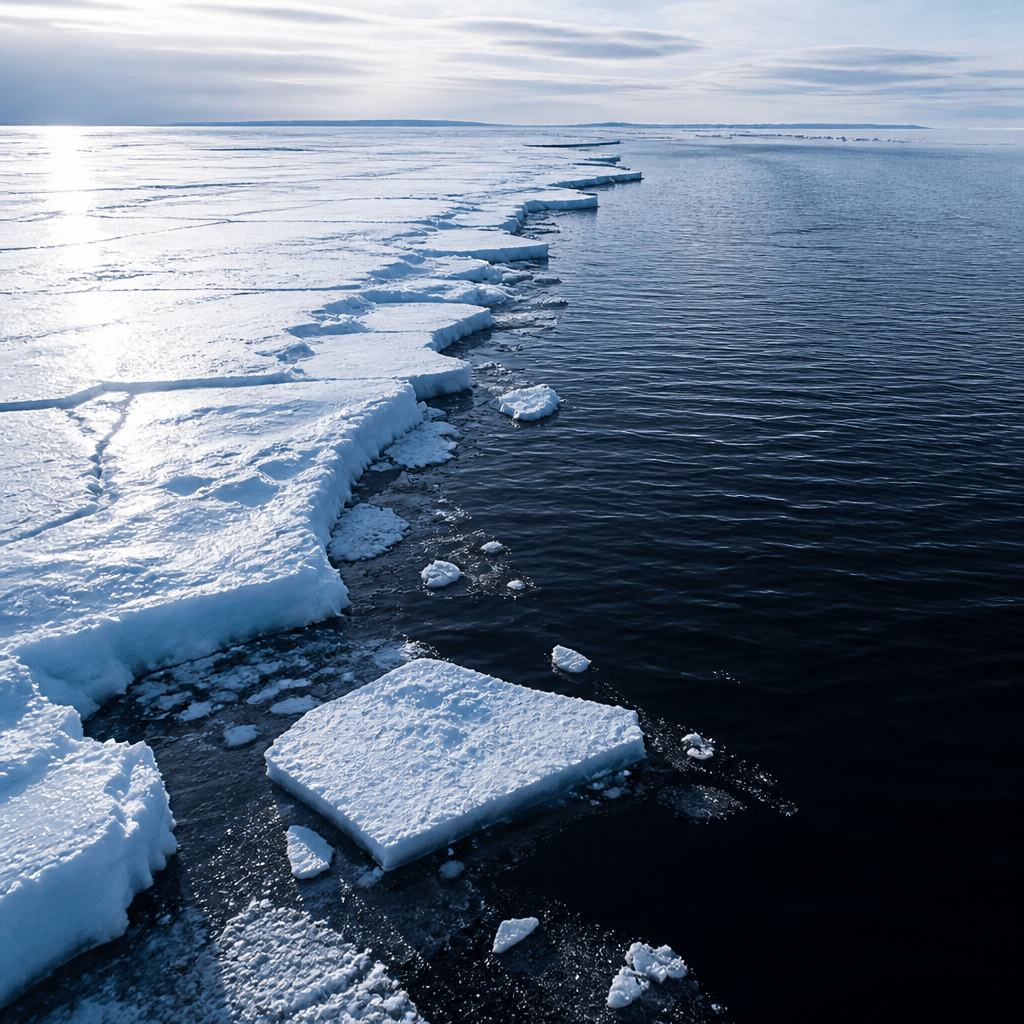
Albedo is the ability of a surface to reflect sunlight. Polar ice has a high albedo, but when it melts, the dark ocean is exposed, which absorbs more heat, accelerating global warming.